This time next month, New Jersey will be entering into Fiscal Year 2027, the first fiscal year operating under a budget led by Gov. Mikie Sherrill.
Newly sworn-in governors look to use the budget process to show their influence and negotiating power and deliver on the promises they made on the campaign trail. The budget process is also New Jersey’s first real look at which priorities the governor is willing to fight for, and where she is willing to compromise.
The budget timeline
In late February, the governor delivers a budget address to the full legislature before releasing the budget proposal to the public. New governors are given extra time, and Sherrill’s address was on March 10. This kicked off a series of hearings in March and April where legislative budget committees heard from citizens and advocacy groups, including NJEA.
Following public testimony, every executive agency presented its proposed budget to the committees, explained the budget’s impact on their operations and answered questions. This period of time, known as the “budget break,” starts and ends with a revenue forecast from both the state treasurer and the Office of Legislative Services, the non-partisan research arm of the legislature.
Usually by early May, the hearings near completion and normal legislative activity resumes. The budget committees then recommend changes to the governor’s proposed budget based on the input they received. These changes include budget resolutions to add funding for specific items or projects in their districts, often referred to as “Christmas tree items.” This is usually done in negotiations behind closed doors, out of the public’s view.
New Jersey must have a new budget formally passed into law before the new fiscal year starts on July 1, or the state shuts down. Negotiations over the budget can go to the wire. Once the houses vote on the budget, it goes to the governor for her approval, which may also include the use of the line-item veto. The process is often criticized for its lack of transparency.
What is NJEA watching?
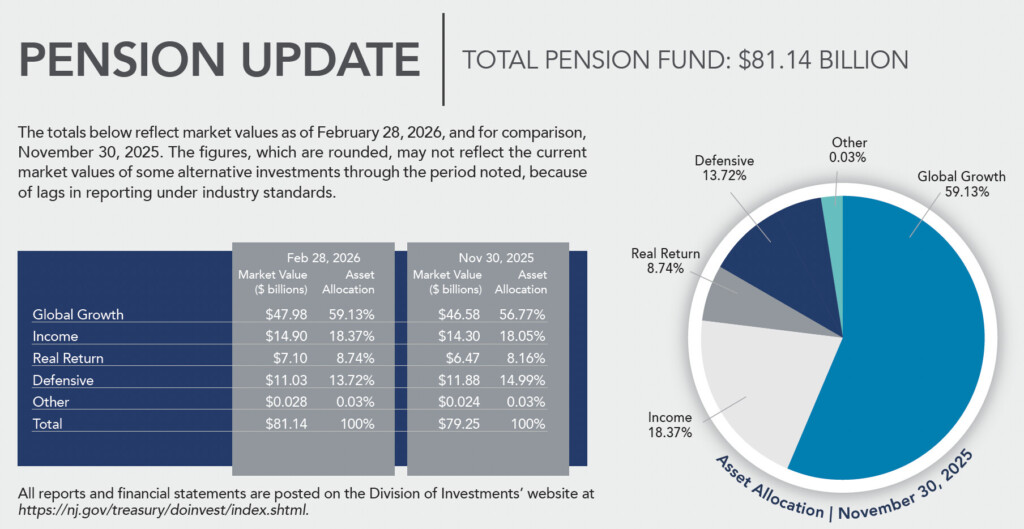
NJEA is paying close attention to the looming showdown between legislators and Sherrill over Sherrill’s call to eliminate costly and “Christmas tree” items from the budget. In addition to supporting Sherrill’s commitment to fully fund the pension in FY27, NJEA is supporting Sherrill’s push to provide record funding for school aid and modernize the outdated school funding formula. NJEA also held lobby days to increase funding for community colleges and to restore funding for the Student Teaching Stipend Program for aspiring educator.